Benjamin Moore Cheyenne Green (AKA Nantucket Gray): All About This Soothing Shade
I first honed in on Benjamin Moore Cheyenne Green (also known as Nantucket Gray, but we’ll get to that) a few years back when sage green was the IT color in home decor. Literally, in 2022, 3/4 of the major paint brands chose some shade of sage as their “color of the year.” It also happened to be the year we did a major renovation in our home, and I was on the hunt for a gorgeous green for our powder room, so I naturally started with shades of sage.
The ones I tested included Farrow & Ball French Gray, Benjamin Moore October Mist (the brand’s COTY that year), Benjamin Moore Rolling Hills, and Cheyenne Green.

Would you like to save this?
Each had a slightly different undertone, with Cheyenne Green leaning the most warm/earthy. I ultimately ended up deciding on drama, and going with an olive-y color called Sherwin Williams Palm Leaf, but if I had gone in the lighter direction, Cheyenne Green was the one. It’s such a gorgeous color and I’m convinced I’ll find a way to use it in my home at some point. If you’re thinking about this lovely hue for your own space, here’s a closer look at it.
What Color Is Cheyenne Green? And Why is it Also Nantucket Gray?
Like I mentioned, Cheyenne Green is a muted sage green shade with warm undertones. It’s part of Benjamin Moore’s Classics Colors Collection, and was originally known as “Nantucket Gray,.” It now goes by either name, oddly enough. Benjamin Moore sometimes updates color names, or renames them for marketing reasons, and this is one such case. Cheyenne Green and Nantucket Gray are exactly the same color, and you ask the paint counter for either name.
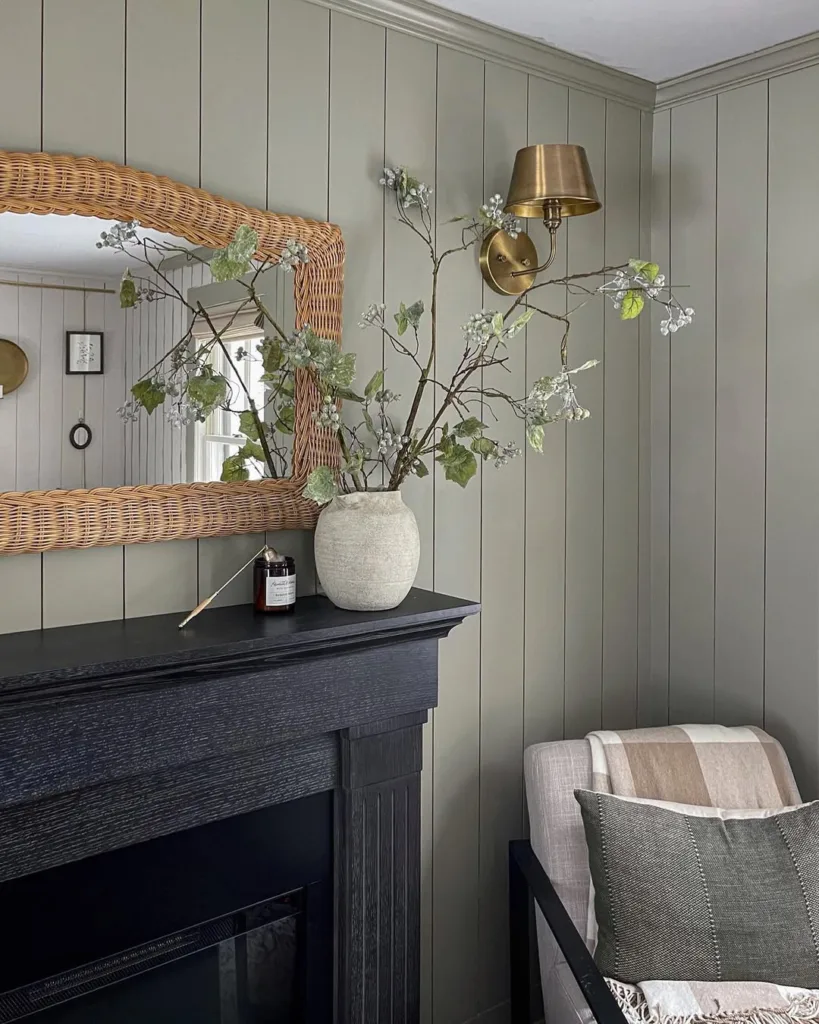
Side not: I think this situation is the perfect example of why you can’t trust paint brand names for direction on the actual shade. Even Benjamin Moore can’t decide what color certain hues actually are, calling the same shade “green” in one name and “gray” in another.
On the wall, it reads as a muted olive-sage hybrid—a green with noticeable warmth that makes it more inviting than cooler-toned greens.
Cheyenne Green LRV & Undertones
Cheyenne Green has a Light Reflectance Value, or LRV of 37.54. LRV is measured on a scale of 0-100, with 0 being pitch black and 100 being pure white, making this a rich, but not dark, tone. It offers noticeable color while still reflecting enough light to avoid feeling heavy.
Its RGB Profile is 169, 173, 134, which confirms its soft olive-sage character, and lack of blue undertones. The core undertones are gentle yellow/beige, which give it warmth, and muted gray, which ensure it feels balanced and not overly yellow.
How Cheyenne Green Behaves in Different Light
Like all paint colors, this one will look different depending on where it’s used.
North-Facing Rooms: The cooler light here draws out its olive-gray undertones, giving it a sophisticated, subdued appearance.
South-Facing Rooms: Warm sunlight brings out its golden warmth, making it feel more like a soft, vintage green.
East-Facing Rooms: Morning light brightens it, while afternoon shadows mellow it into a gentle, earthy sage.
West-Facing Rooms: The warm late-day sun enhances its yellow undertones, adding coziness and depth.
Cheyenne Green’s mid-to-dark LRV means it shifts beautifully throughout the day, so testing swatches in your actual space is essential.
Where to Use Cheyenne Green
Kitchens & Cabinets
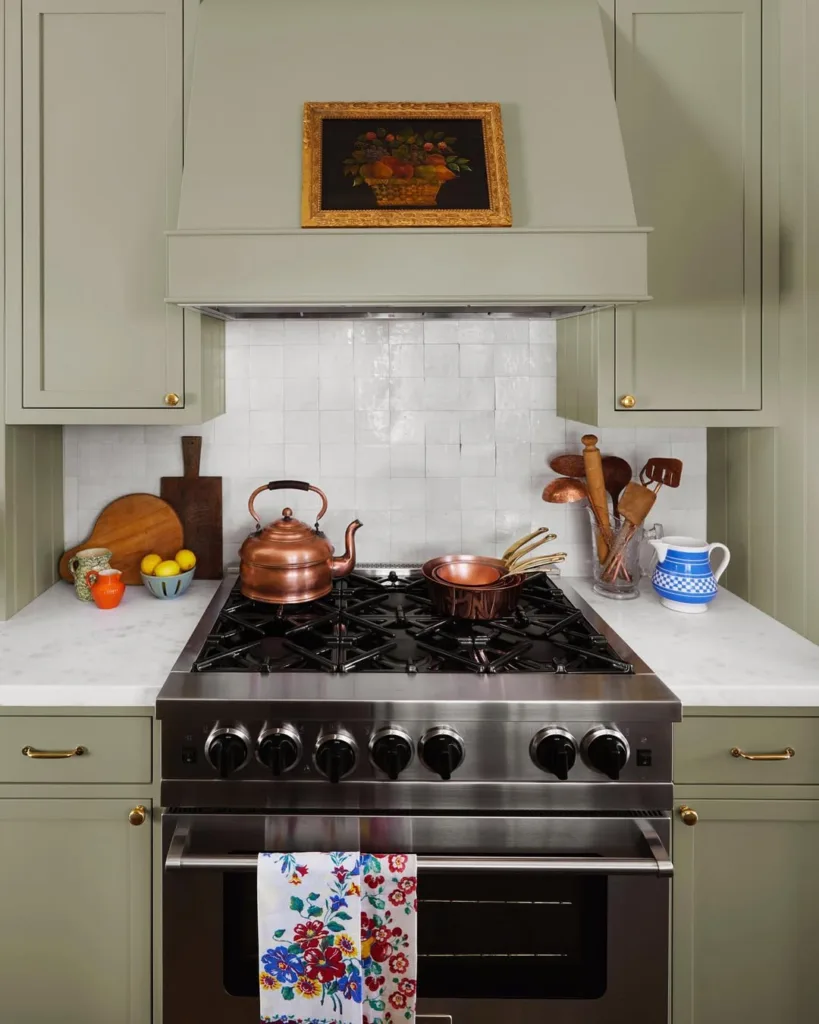
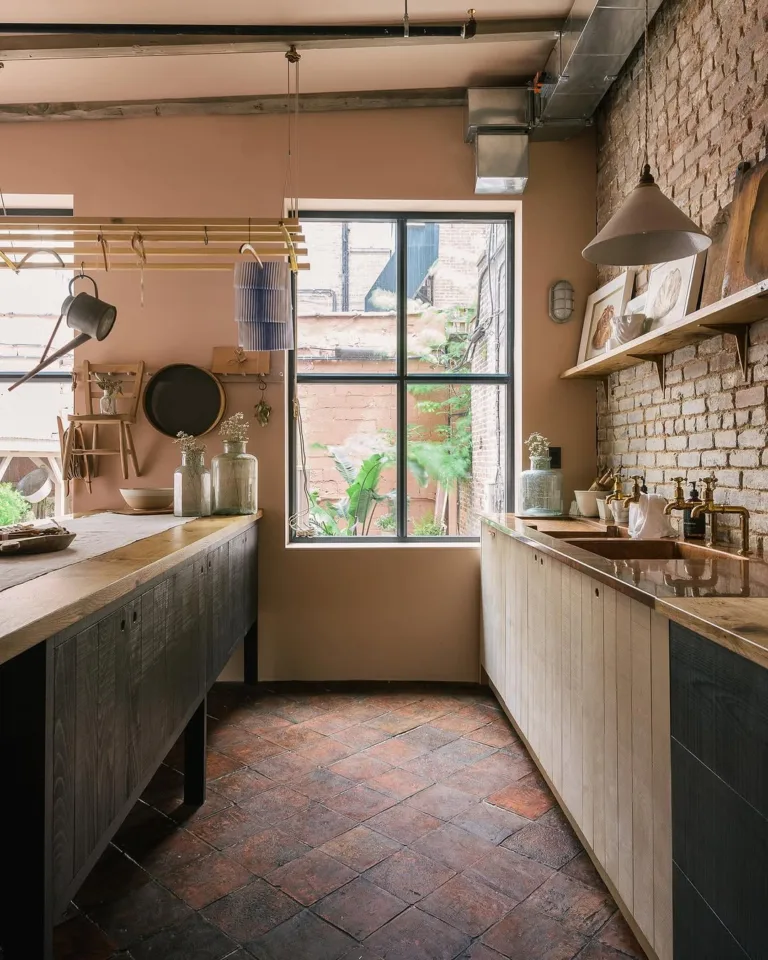
Gorgeous on shaker cabinets with honed marble or soapstone counters for a timeless, classic look.
Hallways & Trimwork
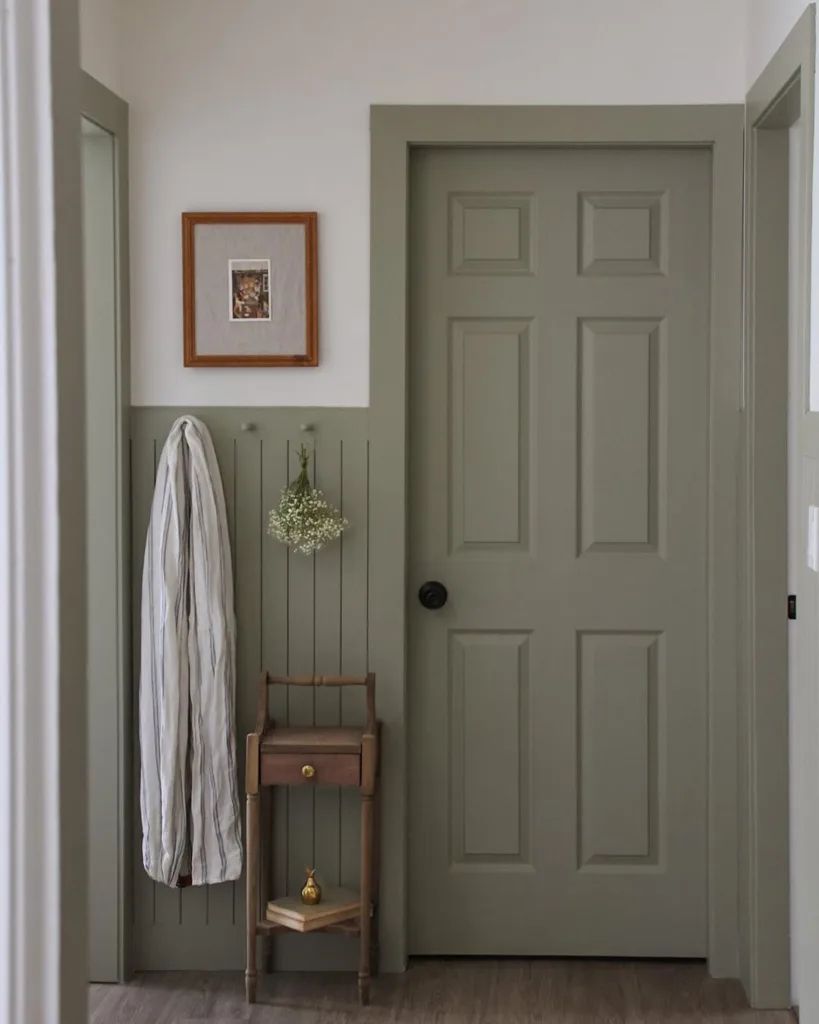
Nantucket Gray/Cheyenne Green has a heavy neutral undertone, which makes it a great alternative to standard beige and gray for contrast trim.
Bathrooms

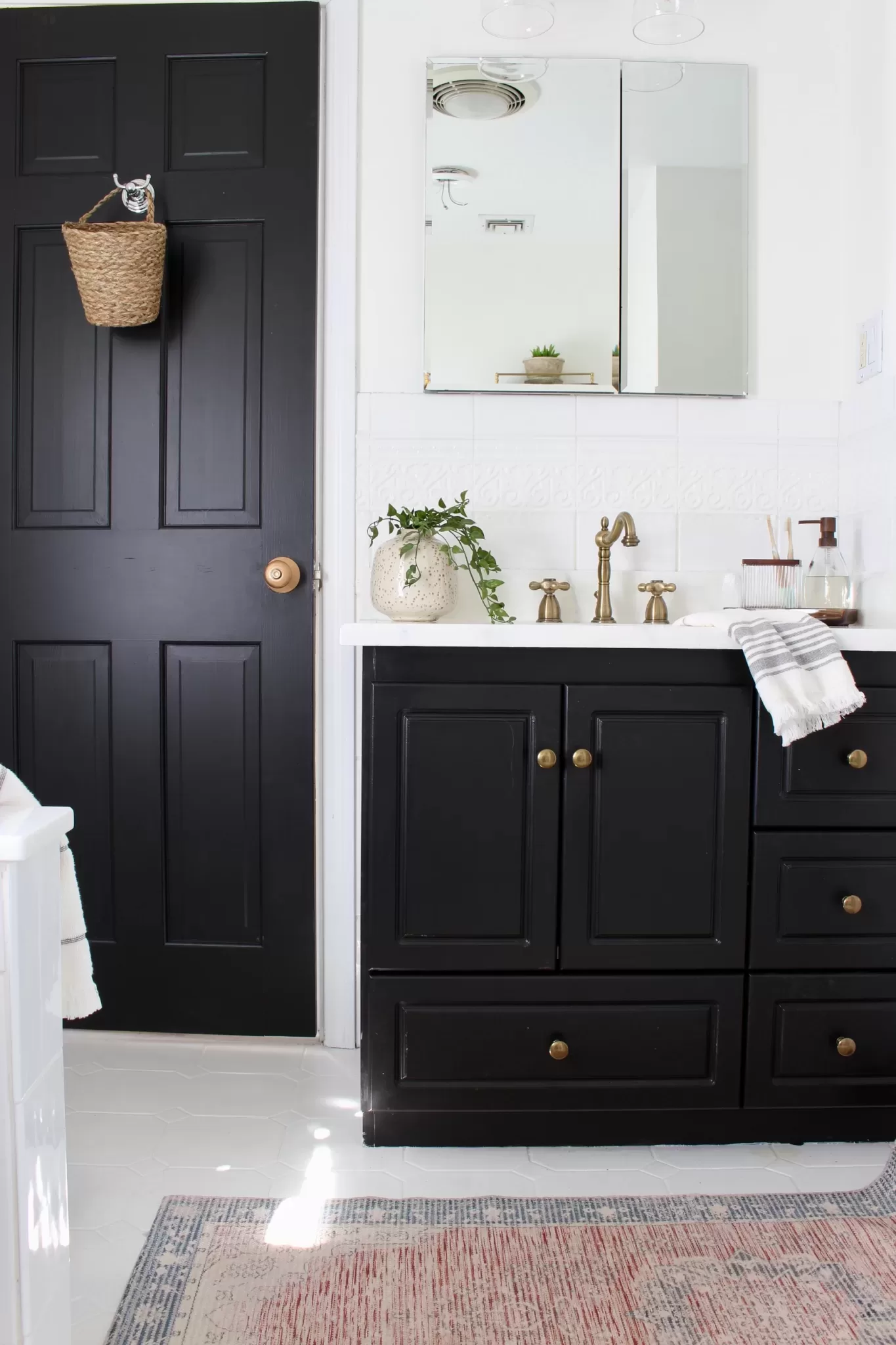
I was personally considering this hue for a windowless powder room, but it also works beautifully in larger, light-filled bathroom spaces like the one above. I love the way it compliments the marble here.
Dining Rooms
Creates an intimate, warm atmosphere, especially with candlelight and brass accents.
Bedrooms
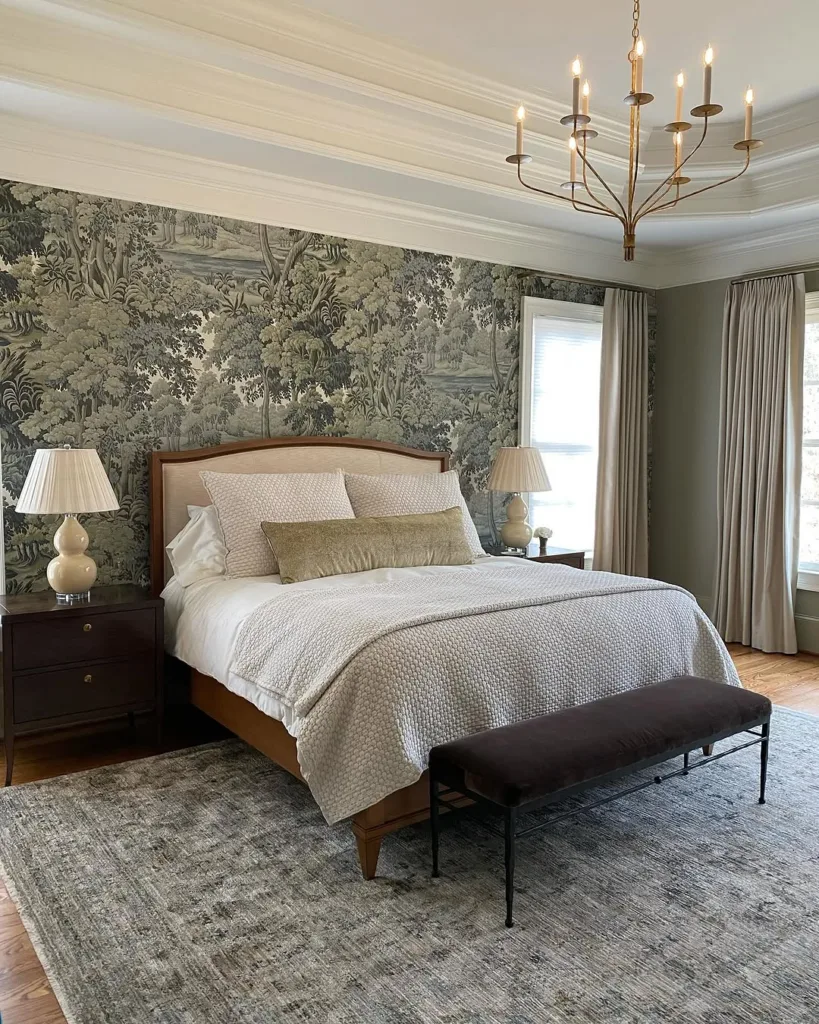
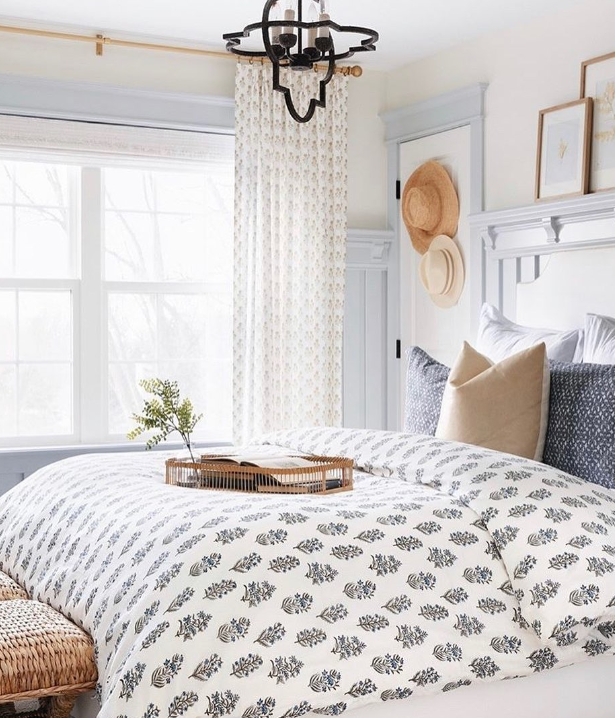
Works well for creating a serene, grounded retreat—pair with linen bedding and warm wood furniture.
Cheyenne Green vs. Other Popular Greens
Cheyenne Green/ Nantucket Gray Vs. October Mist

October Mist is more of a cool, blue/gray-toned sage, while Cheyenne Green is warmer and richer.
Cheyenne Green/ Nantucket Gray Vs. SW Evergreen Fog
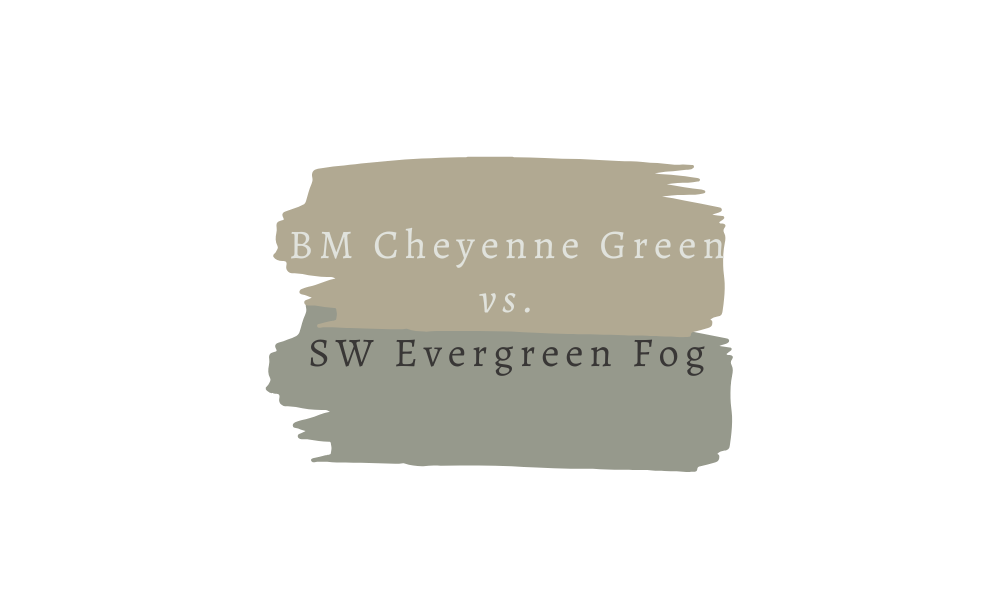
Sherwin Williams Evergreen Fog was SW’s Color of the Year in 2022. It’s a darker, more green-toned hue with some gray mixed in, while Cheyenne Green has more noticeable tan tones.
Cheyenne Green/ Nantucket Gray Vs. FB French Gray

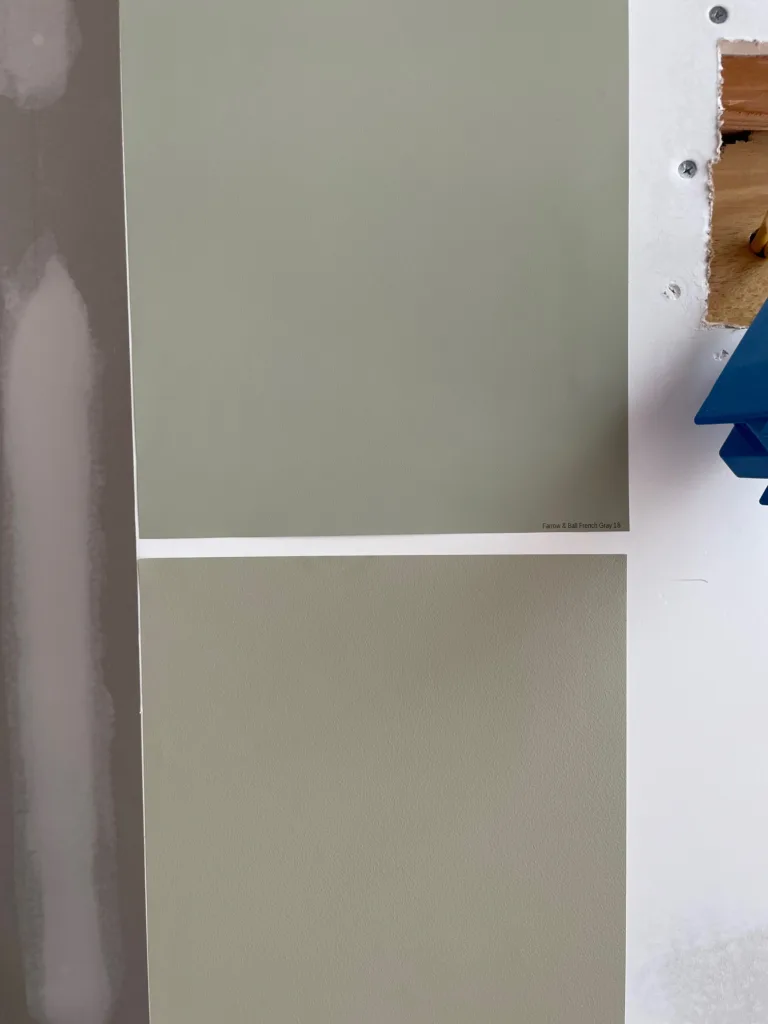
Cheyenne Green is a touch deeper and warmer than most sages, making it perfect for rooms where you want a cozy, heritage feel without going too dark.
Pairing & Trim Suggestions
- Trim & Moldings:
- Crisp whites like BM Simply White OC-117 for fresh contrast.
- Warm creams like BM White Dove OC-17 for a softer, more traditional look.
- Finishes:
- Eggshell for walls in living spaces and bedrooms.
- Satin or Semi-Gloss on cabinetry for durability and depth.
- Complementary Accents: Walnut, oak, rattan, antique brass, aged bronze, and cream-colored textiles all enhance its warmth.
FAQs
Is Cheyenne Green too dark for small rooms?
Not necessarily—its LRV of 37.54 gives it depth without making a room feel like a cave, especially when paired with light trim and plenty of natural light.
Will it clash with cool marble or gray tile?
No—its muted undertones make it surprisingly versatile, allowing it to pair with both warm and cool stone finishes.
If you want a green that feels classic, warm, and effortlessly stylish, Benjamin Moore Cheyenne Green is a reliable choice. Its depth, adaptability, and timeless appeal make it a color you can return to again and again.